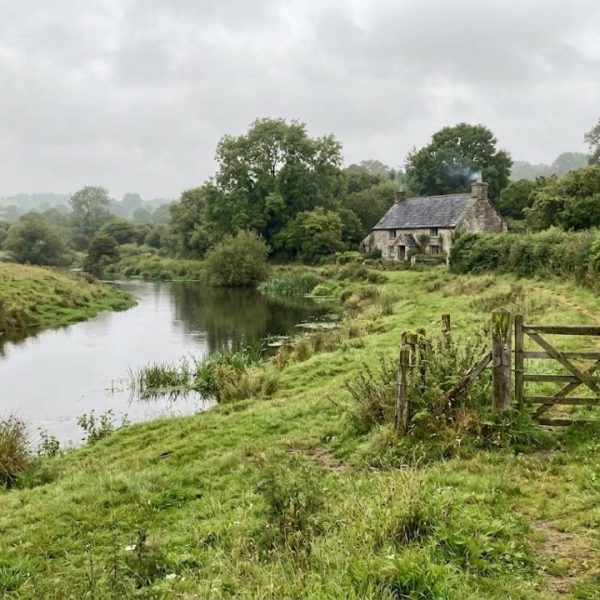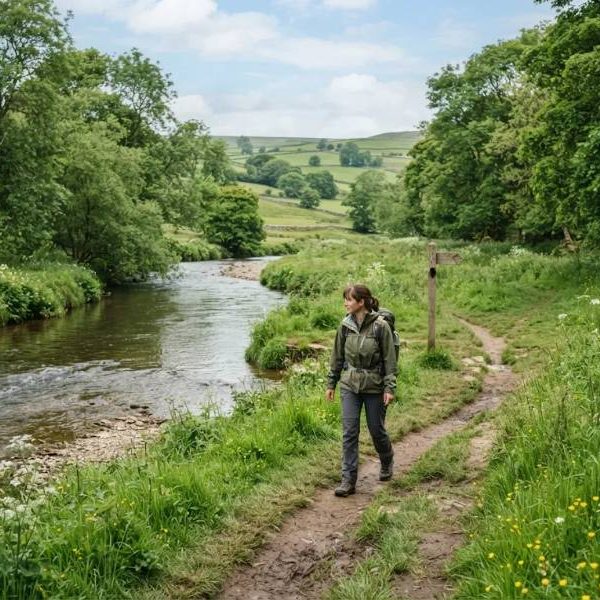
A long distance walk is one of the simplest and most rewarding ways to see the English countryside. You follow rivers, villages and quiet lanes at a human pace, and every evening ends with a hot meal. With some planning, even first time walkers can enjoy it.
Choose a route that fits your level
Look at total distance, daily stages and terrain. A gentle river route with small climbs suits beginners, while hill sections need stronger fitness.
Read recent walker reports and check the official route description. Honest planning beats optimistic planning on a multi day trip.
Decide how many days you need
Most walkers manage twelve to fifteen miles per day. Split the route into stages that end in villages with food and beds.
Add a spare day for rain, blisters or an interesting detour. Rest days are part of a good plan.
Pick the best season
Late spring and early autumn offer mild weather, long light and fewer crowds. Summer is busy but dry, and winter requires extra care with daylight and mud.
Check local events, since festivals can fill rooms quickly in popular towns.
Book accommodation early
Small inns, guest houses and campsites along popular routes fill months ahead. Book the first and last nights at least, and keep a flexible middle.
Ask about luggage transfer. Many hosts will move your main bag to the next stop for a small fee.
Pack light and smart
Aim for a daypack of around seven kilograms. Include layers, a waterproof jacket, a hat, sunscreen, a first aid kit and two pairs of socks.
Break in your boots weeks before. New footwear is the most common cause of ruined walking holidays.
Navigate with confidence
Carry a paper map and a compass as a backup, even if you use a phone app. Batteries fail and signals drop in valleys.
Waymarks and signposts help, but they can be missing after storms. Check your position at every junction.
Official guidance for trails
National trail organizations publish maps, route updates and safety tips. Start with National Trails in England and Wales to compare routes and download stage information.
Local walking groups also share advice and warnings about closures.
Respect the countryside
Close gates, keep dogs under control and take litter home. Stay on paths across farmland and respect private property.
Walkers who behave well keep access open for everyone, and farmers appreciate friendly greetings.
Plan for weather
British weather changes fast, so dress in layers and check the forecast every morning. Rain is normal and should not stop you with the right clothing.
Fog and high winds on exposed ridges are real risks. If conditions worsen, take the lower option.
Stay safe on your own
Tell someone your plan and expected arrival time. Share your location with a friend and carry a charged phone.
Keep emergency numbers handy and learn basic first aid. A whistle and a head torch are cheap and useful.
Protect your data while traveling
Public wifi in cafes and inns is convenient but not always secure. Avoid online banking on open networks.
Our guide to a VPN for remote work explains simple steps that protect your information on the road.
Welcome walkers from abroad
Routes attract visitors from many countries, including Scandinavia. Clear information in their own language makes trips easier and safer.
Tourism boards and guesthouses often use Norwegian translation services for guides, safety notes and booking pages aimed at Nordic visitors.
Eat well on the trail
Start with a proper breakfast, carry snacks such as nuts and fruit, and drink often. A pub lunch is a classic pleasure but keep it light.
Local specialties turn each stage into a small food adventure. Try something new in every village.
Look after your feet
Change socks at lunch, treat hot spots early with tape and let shoes air at night. Small blisters grow quickly if ignored.
Trim toenails before the trip and carry plasters. Healthy feet decide how far you can walk.
Learn the story of the places
Rivers, churches and old mills have histories that make the walk richer. Pick up a local guidebook or visit a small museum.
Talk to residents. Their stories are often the best part of a journey.
Capture memories mindfully
Take photographs, but also stop and look without a screen. Keep a short journal in the evening.
Notes about small moments, such as a sunrise or a kind stranger, stay with you long after the photos.
Include a rest and recovery plan
After the walk, stretch, eat well and sleep. Gentle movement helps stiff muscles recover.
Plan a light day before returning to work. The glow of a successful walk deserves a slower landing.
Start planning your next route
Walkers rarely stop at one trail. A finished route often sparks a list of next ones.
Start small, enjoy each step and let the habit grow. The countryside will always have a path waiting.
Share your experience
Write a short review or advice for other walkers. Information from real travelers helps others plan with confidence.
Your notes may inspire a friend to put on boots for the first time.