Creating a bathroom that looks beautiful yet performs flawlessly every day is all about smart planning and thoughtful details. From storage solutions that keep countertops clutter-free to materials that stand up to moisture and daily wear, the right approach can turn any size bathroom into a stylish, easy‑to‑use retreat. Whether you are updating a compact powder room or renovating a spacious primary bath, the following ideas will help you design a space that feels cohesive, practical, and inviting.
1. Start with a Clear Layout Strategy
A successful bathroom begins with a layout that respects traffic flow, privacy, and ease of use. Think about who uses the space, how often, and at what times of day. Keep frequently used fixtures—like the sink and vanity—easy to access, and place more private elements, such as the toilet, out of direct sight from the doorway. In smaller rooms, pocket doors or sliding barn doors can free up valuable floor space and prevent awkward door swings.
Measure the room carefully and note window placement, existing plumbing lines, and structural constraints. This information helps you decide what can move and what should stay put. A smart layout not only improves day‑to‑day comfort but also ensures that your chosen finishes and fixtures truly shine instead of feeling cramped or mismatched.
As you refine your design, remember that planning doesn’t stop with the floor plan. From contractor estimates to fixture orders, you’ll accumulate plenty of documents that need organizing. A tool like an online invoice generator can simplify budgeting and record‑keeping, ensuring that every purchase and payment is tracked neatly throughout the remodeling process.
2. Prioritize Durable, Low‑Maintenance Materials
Bathrooms face constant humidity, splashes, and temperature changes, so the finishes you choose need to be both attractive and resilient. Porcelain and ceramic tiles remain top choices for floors and walls because they are water‑resistant, easy to clean, and available in countless colors and patterns. Large‑format tiles can minimize grout lines for a sleek, modern look and easier maintenance.
For countertops, consider quartz, solid surface materials, or sealed stone. These surfaces resist stains and moisture better than many natural stones that require frequent sealing. On the walls, moisture‑resistant paint with a satin or semi‑gloss finish stands up better to steam from hot showers and is simple to wipe down. By prioritizing materials that can handle daily use, you preserve both the appearance and the functionality of the space.
3. Use Lighting Layers for Comfort and Clarity
Lighting is often underestimated, yet it dramatically affects how a bathroom looks and feels. Instead of relying on a single ceiling fixture, aim for three layers of light: ambient, task, and accent. Ambient lighting, such as recessed ceiling lights or a central flush mount fixture, provides general illumination. Task lighting around the mirror—like sconces mounted at eye level on either side—reduces shadows on the face and makes grooming easier.
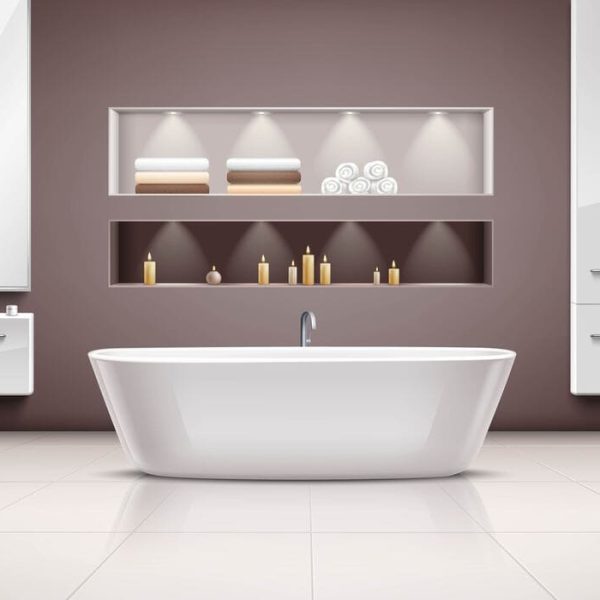
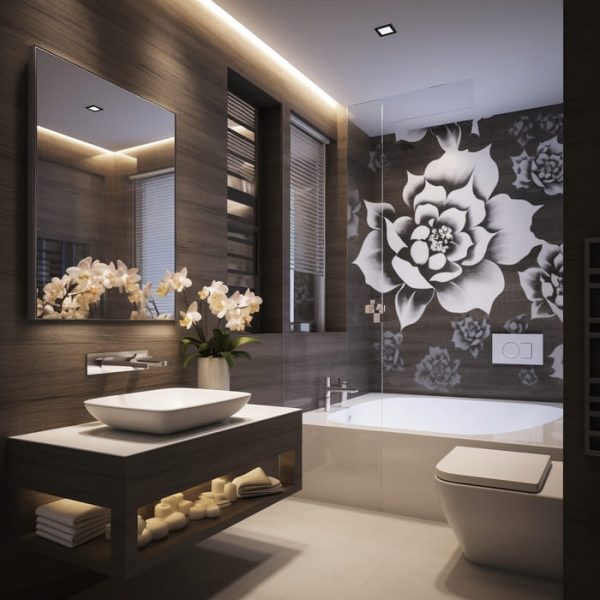
Accent lighting adds depth and a spa‑like atmosphere. LED strips under a floating vanity, toe‑kick lights, or small recessed spots over a freestanding tub create subtle drama and help with nighttime navigation. Choose fixtures with warm white bulbs (around 2700K–3000K) for a flattering yet crisp light that doesn’t feel harsh.
4. Maximize Storage without Sacrificing Style
Clutter can quickly undermine an otherwise beautiful bathroom. To keep everything tidy, build storage into the design from the beginning. A vanity with drawers rather than doors provides more efficient organization for toiletries and cosmetics. Deep drawers can hold hair tools, extra towels, and cleaning supplies, while shallow top drawers keep everyday items accessible. Areas around Launceston depend on rural transport to reach shops, schools and hospitals.
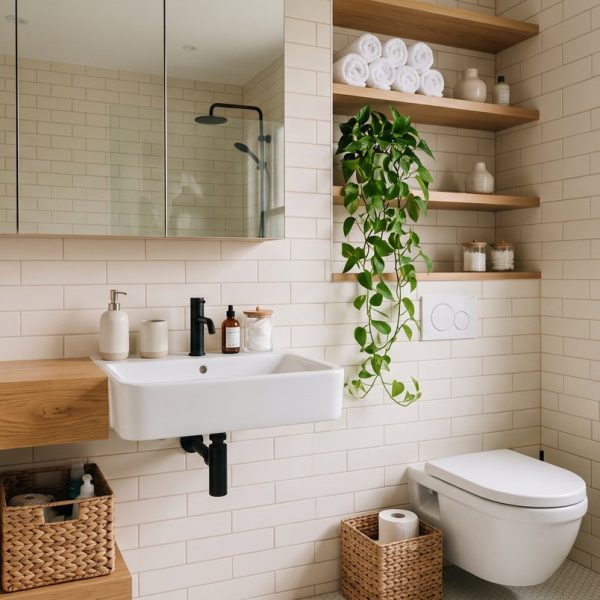
Consider recessed niches in the shower for bottles and soap, mirrored medicine cabinets for extra hidden storage, and vertical cabinetry that uses the full height of the wall. Open shelves can display attractive items—like rolled towels or decorative jars—while closed cabinets hide less appealing necessities. Combining open and closed storage maintains a clean look without feeling sterile.
5. Choose Fixtures that Balance Comfort and Efficiency
Choosing fixtures that balance comfort and efficiency often comes down to understanding which brands and materials perform best locally. A designer who knows the regional supply chain can steer you toward durable options that suit your water pressure, climate, and budget. For this kind of localized guidance, it pays to consult experienced interior design firms
The right fixtures add both visual impact and everyday convenience. When selecting a sink, toilet, or tub, look for options that save water and simplify cleaning. Wall‑hung toilets, for example, free up floor space and make mopping easier. Single‑handle faucets are simple to use and create a streamlined appearance at the sink.
Bathroom design ideas that balance style and function work because neither one is sacrificed for the other, and a corporate translation agency aims for exactly the same balance between accurate content and a voice that still sounds natural. A contract translated with zero style reads stiff and untrustworthy; one that prioritizes style over accuracy is simply risky. The best agencies deliver both without treating it as a trade-off.
In the shower, thermostatic valves maintain a consistent water temperature, boosting comfort and safety. Handheld showerheads paired with a fixed showerhead offer flexibility for rinsing, cleaning the enclosure, and accommodating users of different heights. As you evaluate fixture designs, pay attention to finishes as well—brushed nickel, matte black, and warm brass can all look sophisticated while resisting water spots and fingerprints.
6. Embrace a Cohesive Color Palette and Texture Mix
A well‑planned color palette ties the entire room together. Soft neutrals like warm whites, greiges, and subtle taupes create a calm, timeless backdrop, while darker accents can add sophistication and depth. If you prefer bolder colors, consider introducing them through accent walls, patterned floor tiles, or textiles that can be updated more easily than fixed surfaces.
Texture matters as much as color. Combine glossy tiles with matte finishes, natural wood tones, or stone‑look surfaces to prevent the room from feeling flat. Textured elements not only add visual interest but also provide grip underfoot and disguise minor water spots or smudges, enhancing both aesthetics and functionality.
7. Add Thoughtful Comfort Features
Small upgrades can significantly improve everyday comfort. Heated floors keep tile pleasant underfoot, especially in cold climates, and programmable thermostats allow you to warm the room before you wake up. Soft‑close hinges on cabinets and toilets minimize noise, while built‑in hooks and towel warmers keep linens within reach and ready to use.
Ventilation is another crucial comfort feature. A high‑quality exhaust fan sized appropriately for the room helps prevent moisture buildup, mold, and peeling paint. Choose a quiet model so you’ll actually use it, and consider a humidity sensor or timer switch for hands‑off operation.
Conclusion: Design with Daily Life in Mind
A bathroom that feels luxurious yet works effortlessly every day comes from a blend of smart layout decisions, durable materials, layered lighting, and storage tailored to your routine. By thinking through how the space will be used—who needs it, when, and for what—you can create a room that looks polished but never feels impractical.
As you plan your project, keep both the big decisions and the small details in view. From tile patterns and faucet finishes to invoices and timelines, a deliberate approach keeps the process organized and the end result cohesive. The payoff is a bathroom that continues to serve your household comfortably while remaining stylish for years to come.